A school can say every child belongs. I want to know what happens when that child walks through the door. Can they participate fully? Is their name pronounced correctly? Does their family feel comfortable asking questions? Those everyday experiences tell us more about inclusion than a statement on a wall.
Inclusivity encompasses students with disabilities, race, culture, language, socioeconomic circumstances, and other differences that shape how children experience school. It requires us to examine who has access to advanced classes, activities, support, and leadership opportunities, and who keeps getting left out.
That begins with an honest look at the individual school. Where are relationships breaking down? Which students are disciplined most often? Whose parents rarely attend, and have we asked why? We need to hear from the people experiencing the culture, including those who may be uncomfortable telling us the truth.
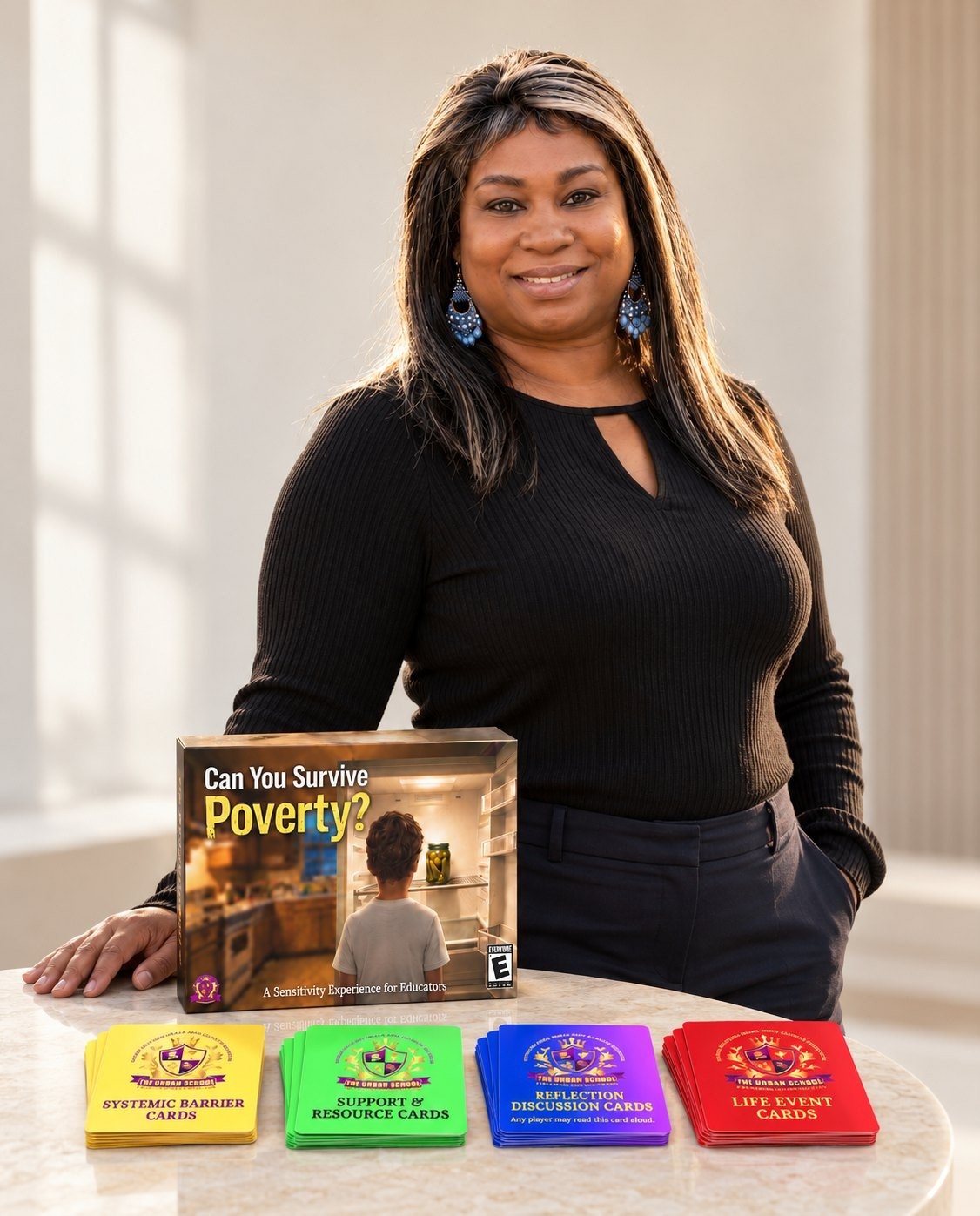
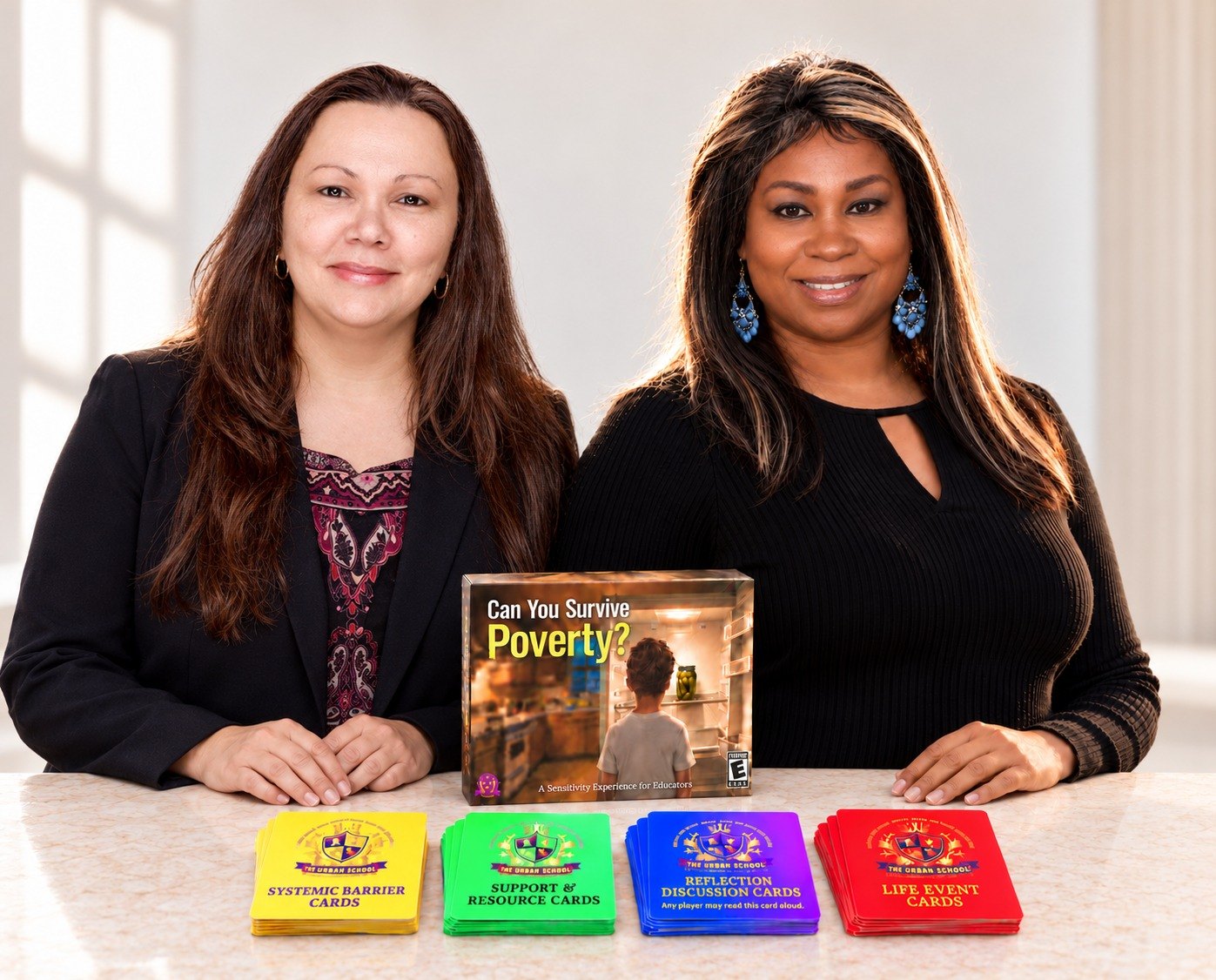
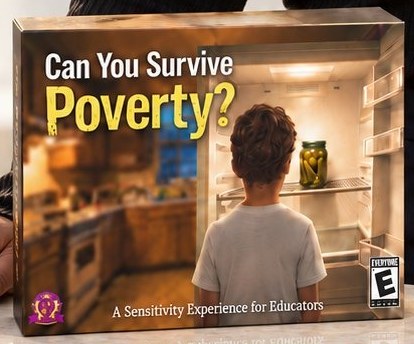
Professional development should respond directly to what we learn. A standard sensitivity presentation delivered once a year is not enough. Training needs to address that school’s weaknesses, give staff practical ways to improve, and include follow through to determine whether anything has changed. Our poverty game can help open that conversation around economic hardship, but the work must continue in daily practice.
Administrators are responsible for maintaining that culture. They set expectations, model respectful behavior, address concerns, and hold themselves and their staff accountable. When exclusion is ignored, it becomes part of what a school permits.
For ethnic groups new to a school or community, belonging takes deliberate effort. Learn families’ names, provide accessible communication, invite their perspectives, and help them understand unfamiliar school processes. Give them opportunities to contribute throughout the year.
I want families to feel that their presence helps shape the school. That is when inclusion becomes something they can experience and trust.
 theprimecrest.com