The Signature Story
The sink, then the brand.
Growing up in India, eating on a banana leaf was ordinary. Beautiful, practical, gone without a pile of plastic. The problem arrived later, at a party in the States.
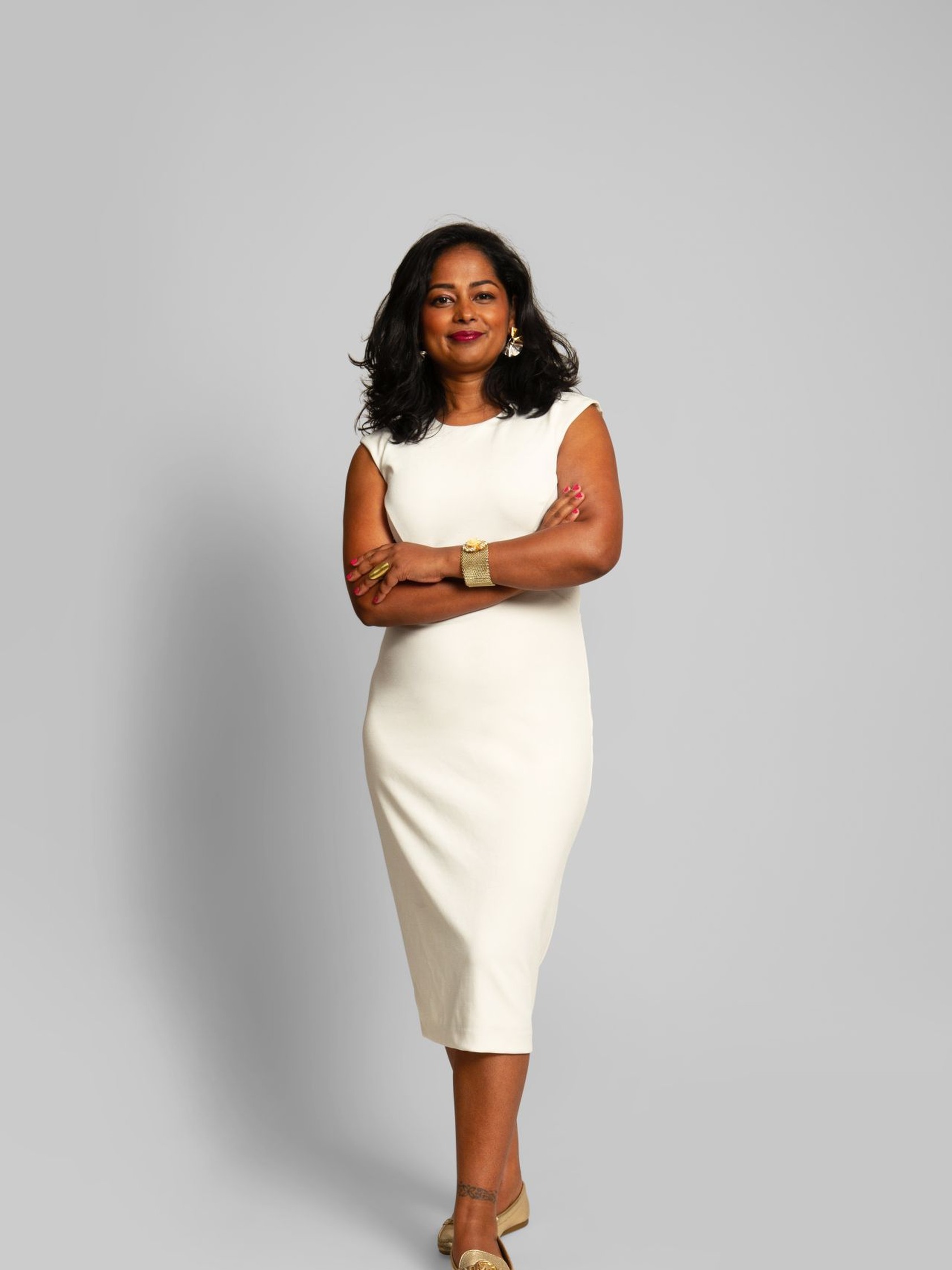
In the house she grew up in, a plate was not a purchase. A banana leaf came to the table, held a full meal, and left again, used once and gone, with nothing behind it that a landfill would ever have to carry. Nobody called it sustainability. It was simply how a meal ended, and it took moving across the world for Pallavi Pande to notice how rare that ending is.
The United States taught her the alternative one party at a time. She ended each night at the sink with the dishes, or guilty about the bag headed for landfill. “Why am I the Chief Dishwashing Officer, or the reason for another bag of waste?” The joke stuck; the question refused to leave.
Ten years of freight
She was not guessing at an answer. Before a plate ever carried her name she had spent ten years in supply chain, reading freight and learning where a margin quietly dies. Put the leaf and the logistics together and DTOCS follows almost by itself: palm leaf and bamboo fiber tableware, built for events and foodservice, sold first on Amazon.
Amazon was the classroom and the tuition was real. Pricing, packaging, the catalog, the reviews, the returns, and the difference between a product people like and a product people reorder. There was no template, so she kept each lesson, even the ones that cost real money.
A second company
DTOCS Consulting began as conversation, when other founders kept asking how she sold on Amazon and what she would avoid the second time. The second firm offers the education she paid for once, with the scars still attached. Her favorite receipt is a plate that never shipped: hearts, until the customer survey said square. “Working harder does not always fix the problem.” The market grades what sells, not effort.
The desk she runs
Her management style would fit on the same index card as her method. She is direct. She does not build complicated rules so that people feel corporate. She wants a team that knows what the company is trying to accomplish, has the freedom to do the work, and feels comfortable saying that something is not working. Mistakes get the same treatment as freight: find what happened, fix it, stop it recurring. She expects responsibility rather than perfection, and holds herself to the standard first.
What the day is for
Motherhood, she says, made her better at the one skill founders rarely name: deciding what actually needs to happen today. Being busy is not being productive; a day can fill itself with things that move nothing. So the question gets asked every morning, of the business and of herself, and the guilt about not doing everything perfectly has been retired. Some days the company needs her, some days her family does, and some days both at once. The plan bends. The outcome does not.